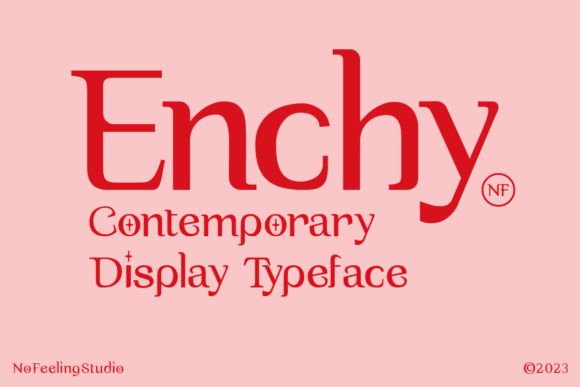
Enchy: A Versatile Slab Serif Font
Enchy is a slab serif font that blends modern and classic aesthetics, making it ideal for editorial design, branding, and content layout. Its strong, structured character adds visual weight while maintaining readability, perfect for headlines, titles, and graphic elements across various publishing formats.
The font’s clean yet distinctive style works well in both digital and print media. Its bold strokes and balanced proportions provide a timeless appeal, suitable for anything from magazine covers to ebook titles. Enchy’s versatility allows it to adapt to different moods, whether the goal is to convey elegance, authority, or a touch of nostalgia.
Enchy in Editorial Design
For publishers and designers, Enchy offers a reliable option for creating visually engaging layouts. Its robust structure makes it an excellent choice for headings, subheadings, and pull quotes, helping to establish clear visual hierarchy. In a blog post, using Enchy for the main title can immediately draw attention and set the tone for the content that follows.
In a lifestyle blog, Enchy can be used to highlight key sections, such as “Weekend Getaway Tips” or “Healthy Meal Ideas.” The font’s presence adds a sense of sophistication without overwhelming the reader. For a recipe ebook, Enchy can serve as the title font, giving the publication a polished and professional look.
When designing a wedding guide, Enchy can be used for chapter openers, section headers, and quote graphics. Its ability to maintain legibility at larger sizes ensures that even in print, the text remains easy to read. For a coaching workbook, Enchy can be used for key takeaways, reinforcing the message and making it more memorable.
Enchy for Branding and Content Identity
Enchy supports consistent brand identity across multiple platforms. Whether it’s a newsletter, a digital magazine, or a printable planner, using Enchy for headlines and logos helps reinforce a cohesive visual language. This consistency builds recognition and trust with the audience.
For a creator newsletter, Enchy can be used for the subject line, header, and key callouts. Its strong presence makes it ideal for lead magnets and downloadable content, ensuring that the design remains eye-catching and professional. When paired with a complementary body font, Enchy enhances the overall aesthetic without sacrificing readability.
Enchy also works well in social media graphics and web design. As a display font, it can be used for captions, banners, and promotional materials, adding a touch of personality and visual interest. Its ability to stand out while remaining legible makes it a valuable asset in any design toolkit.
Practical Use Cases for Enchy
Enchy is particularly effective for short-form text where impact matters. It excels as a headline font, subtitle, or accent typography, but may not be the best choice for long paragraphs. When used in combination with a readable serif or sans serif font, it creates a balanced and professional look.
For example, in a digital magazine, Enchy can be used for article titles and section headers, while a lighter serif font handles the body copy. This pairing ensures that the design remains engaging and easy to navigate. In a printable worksheet, Enchy can be used for instructions and key points, making the content more approachable and organized.
When designing a wedding guide, Enchy can be used for chapter titles and key event dates. Its strong lines and clear structure make it ideal for organizing information in a way that’s both functional and visually appealing. For a coaching workbook, Enchy can be used for goals, affirmations, and action steps, helping to guide the reader through the material.
Readability and Cross-Platform Considerations
Enchy maintains clarity across different mediums, including screen reading, PDF exports, mobile layouts, and print. Its consistent stroke widths and open counters ensure that the font remains legible at various sizes and resolutions. This makes it a practical choice for both digital and physical publications.
When used in newsletters or emails, Enchy can enhance the visual appeal without compromising on readability. Its boldness helps it stand out in a crowded inbox, making the content more likely to be opened and engaged with. In print, Enchy’s clean design ensures that it looks sharp and professional, whether on a brochure, flyer, or booklet.
Font Pairing and Design Assets
Pairing Enchy with other fonts can enhance its effectiveness in editorial design. A classic serif font like Georgia or Cinzel can complement Enchy for body text, offering a traditional yet readable contrast. Alternatively, a clean sans serif like Lato or Open Sans can provide a modern balance, especially for captions, sidebars, and navigation elements.
Designers should also consider the full range of styles and weights included in the Enchy font family. Alternate characters, ligatures, and multilingual support can add flexibility, allowing for more creative and precise typographic choices. These features are especially useful when working on international projects or content that requires special characters.
Commercial Licensing and Usage
Enchy is available under a commercial license, making it suitable for use in ebooks, templates, printables, paid newsletters, client publications, and digital downloads. This ensures that creators can confidently incorporate the font into their work without legal concerns.
For independent content brands and digital product creators, Enchy provides a premium typeface that elevates the quality of their offerings. Whether it’s a downloadable guide, a branded template, or a curated collection of design assets, Enchy adds a level of professionalism and refinement that resonates with audiences.
By integrating Enchy into editorial design, content branding, and layout decisions, publishers and creators can enhance the visual appeal and readability of their work. Its unique blend of modern and classic elements makes it a versatile tool for a wide range of publishing needs, from blogs to magazines, and from digital guides to printed materials.